Transfer Pricing Documentation in Kenya: What Kenyan Subsidiaries of MNCs Need to Know
If a Kenyan entity which is part of a multinational group and transacts with related non-resident companies through management fees, shared services, royalties, or intercompany loans; transfer pricing is not a theoretical risk. It is one of KRA’s most active audit triggers, and the documentation burden now falls squarely on the taxpayer to prove that pricing is at arm’s length.
What Transfer Pricing Covers
Kenya’s transfer pricing rules, grounded in the Income Tax Act and aligned with OECD guidelines, apply to transactions between related entities. This includes sales of goods, provision of services, management fees, royalties, intercompany loans and interest, and cost-sharing arrangements. Both cross-border and, in some cases, domestic related-party transactions can fall within scope. The governing principle is the arm’s length standard: related parties must price transactions as if they were independent, unrelated parties negotiating at open market terms.
The three-tiered Transfer Pricing Documentation approach
Most Kenyan subsidiaries of MNCs will need to maintain a robust Local File and have visibility of the group’s Master File, even where the Country-by-Country Reporting CbCR threshold doesn’t apply to their group.
- Local File – A detailed analysis of the Kenyan entity’s related-party transactions, including contracts, financial data, and benchmarking studies specific to the local market.
- Master File – An overview of the wider group’s global operations, structure, and transfer pricing policies.
- Country-by-Country Report (CbCr) – Aggregate revenue, profit, and tax data across jurisdictions, required only for very large multinational groups above a high consolidated-revenue threshold, broadly aligned with the OECD’s BEPS Action 13 framework.
When and how Transfer Pricing documentation must be available
Kenya operates a self-assessment regime, and the responsibility for preparing a transfer pricing policy sits with the taxpayer, not KRA. Documentation should be prepared and maintained annually, ready to be submitted to KRA upon request typically within the timeframe the Commissioner specifies once a request is made. Groups meeting the CbCR threshold have an additional notification obligation to KRA, generally due before the end of the relevant financial year.
Because there is currently no standalone penalty simply for lacking a transfer pricing policy document, some businesses under-invest in this area but the real exposure surfaces during an audit, when the absence of documentation leaves the entity unable to defend its pricing and at the mercy of KRA’s own recalculation of taxable income, along with the additional assessments, penalties, and interest that follow.
Why Transfer Pricing scrutiny is intensifying
KRA’s enforcement capacity around transfer pricing has grown substantially, supported by better data analytics and increasingly cross-referencing against eTIMS invoicing data. Intercompany charges such as management fees and cost recharges are now expected to be supported by eTIMS-compliant invoices in the same way as any other expense; where that trail is missing, KRA can disallow the expense outright, independent of whether the pricing itself was defensible. Management fees, shared service charges, intercompany loans, and royalty payments remain the highest-risk categories for challenge.
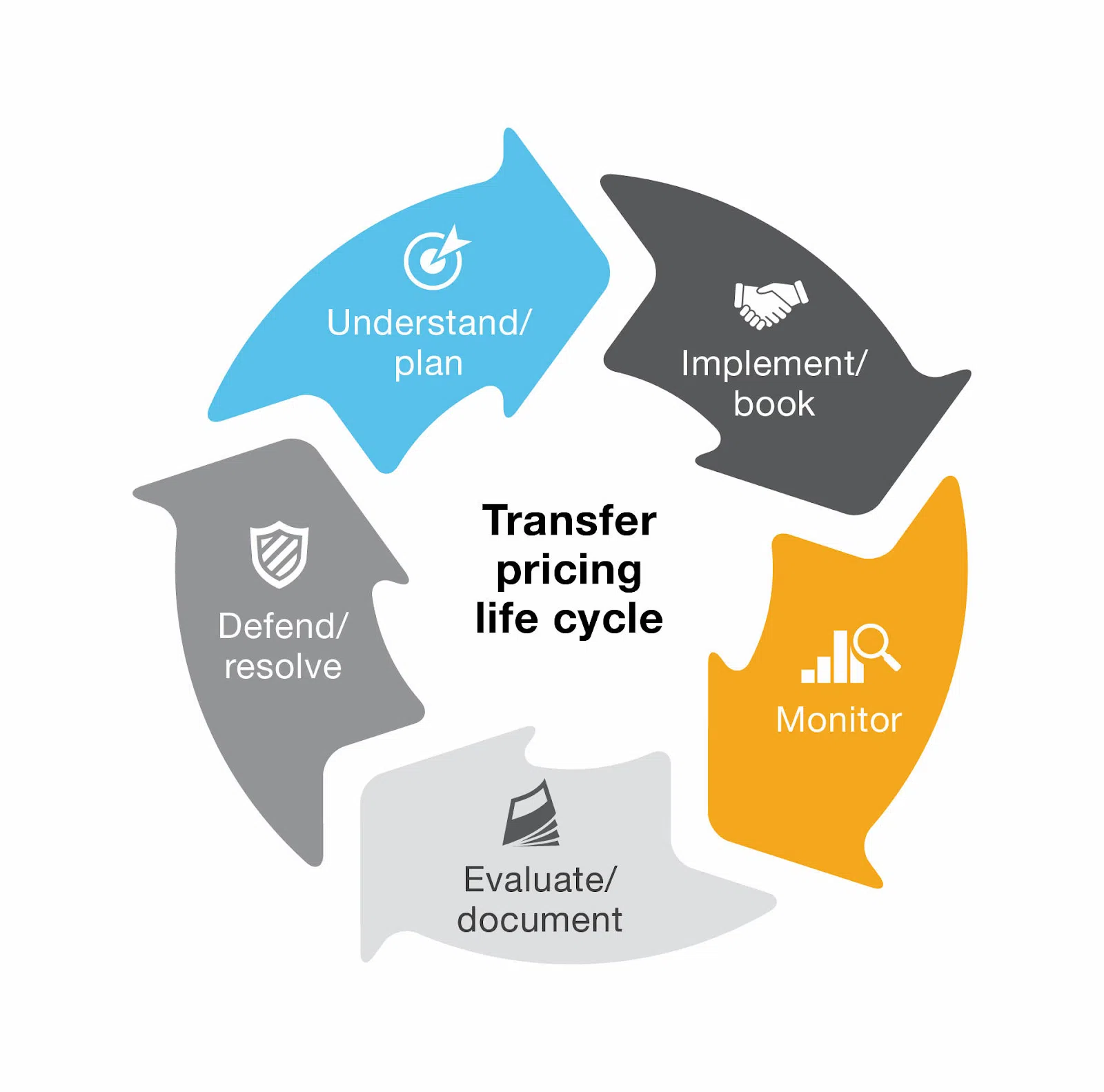
Building a defensible Transfer Pricing position
- Conduct a functional, asset, and risk analysis specific to the Kenyan entity’s actual operations; not a copy-pasted template.
- Select and apply a transfer pricing method (such as TNMM, RPM, or CUP) appropriate to the transaction, and document why it was chosen.
- Benchmark intercompany pricing against genuinely comparable arm’s length transactions or entities.
- Ensure every intercompany charge is backed by a valid eTIMS invoice, not just a cross-border journal entry.
- Retain records for at least seven years to cover the full audit and potential Transfer pricing dispute window.
Note: Transfer pricing risk in Kenya has shifted from a theoretical governance issue to a data-matched, real-time audit trigger. Entities that treat documentation as a living discipline reviewed annually alongside actual transactions are far better positioned than those that only look at it when KRA initiates intentions to conduct audits.
How Timestell Consulting Can Help you with Transfer Pricing Documentation in Kenya
Timestell Consulting supports Kenyan subsidiaries of multinational groups with transfer pricing documentation, benchmarking, audit defense, and annual transfer pricing updates. If your intercompany file hasn’t been reviewed this year, let’s start there. Reach out to us!
Also Read: How to Handle KRA Tax Audits and Disputes